Overview of Security Alarm Systems
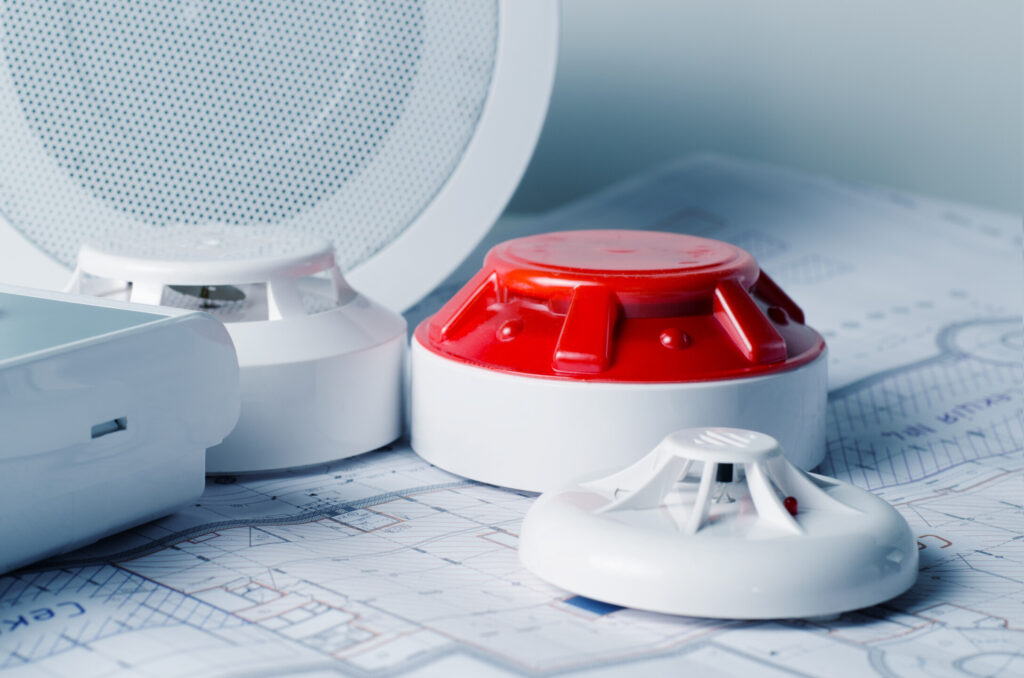
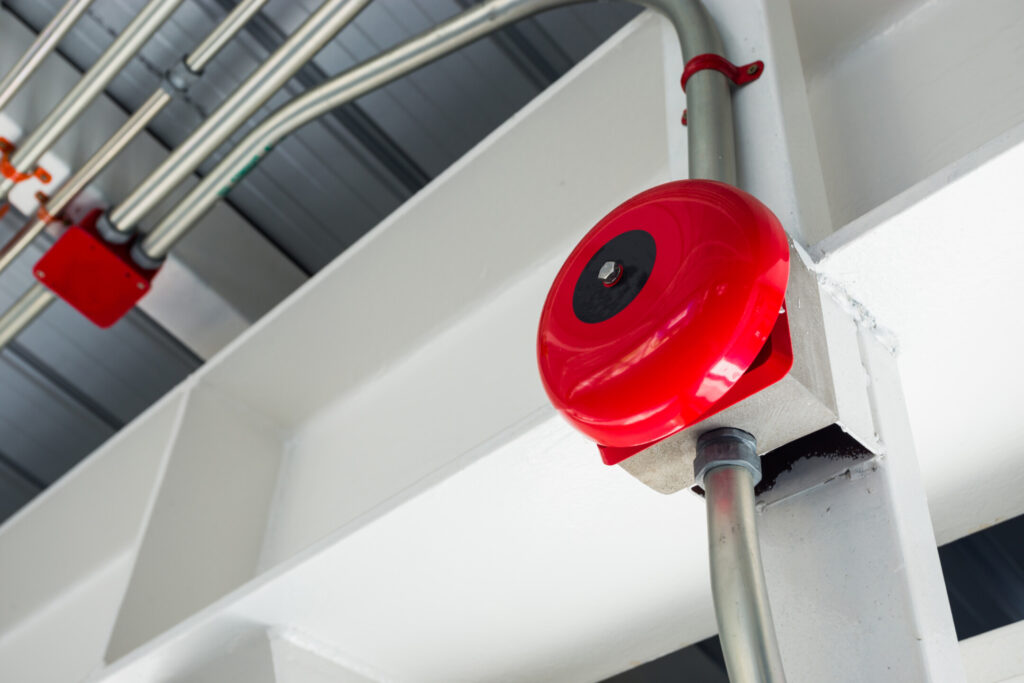
Security alarm systems are a fundamental component of home safety in London, offering protection against burglary, intrusion, and unauthorized access. These systems range from basic models, which include sensors on doors and windows, to more sophisticated systems featuring motion detectors, surveillance cameras, and integrated smart technology. The primary purpose of these systems is to deter potential intruders and alert homeowners and authorities of any suspicious activity, thus providing an essential layer of security.
In the context of London, where varying neighbourhoods can experience different levels of crime, a tailored alarm system is not just advisable but necessary. The benefits of installing a robust security system extend beyond mere protection; they also significantly affect insurance premiums, potentially lowering costs due to the reduced risk. Moreover, the presence of a security system can increase property value, offering an attractive feature to future buyers.
Advanced alarm systems often come with features such as remote monitoring, where homeowners can oversee their property via smartphone or computer. This function is particularly beneficial for those who travel frequently or own multiple properties. Alerts can be configured to be sent directly to your device, ensuring that you are always aware of your home’s security status no matter where you are in the world.
Key Considerations Before Installation
Prior to installing a security alarm in London, homeowners should conduct a thorough assessment of their property to identify potential vulnerabilities. This involves evaluating access points, existing security measures, and the typical crime profile of the area. Understanding these factors can help in choosing an alarm system that adequately addresses specific security needs without being overly complex or costly.
Another crucial consideration is the compatibility of the alarm system with the existing infrastructure of the home. For older properties in London, wiring and sensor placement can be challenging due to the architectural layouts and restrictions. In contrast, newer buildings might have provisions for security systems, making installation smoother and possibly cheaper. Additionally, it’s important to consider the aesthetic impact of any system on your home, ensuring that it does not compromise the design or historical integrity of the property.
Lastly, budget plays a significant role in the decision-making process. Security systems come in various price ranges, with costs escalating based on features and the extent of coverage. Setting a realistic budget that includes not only the initial outlay for equipment and installation but also ongoing maintenance and monitoring fees is essential for a sustainable investment in your home’s security.
Choosing the Right Alarm for Your Home
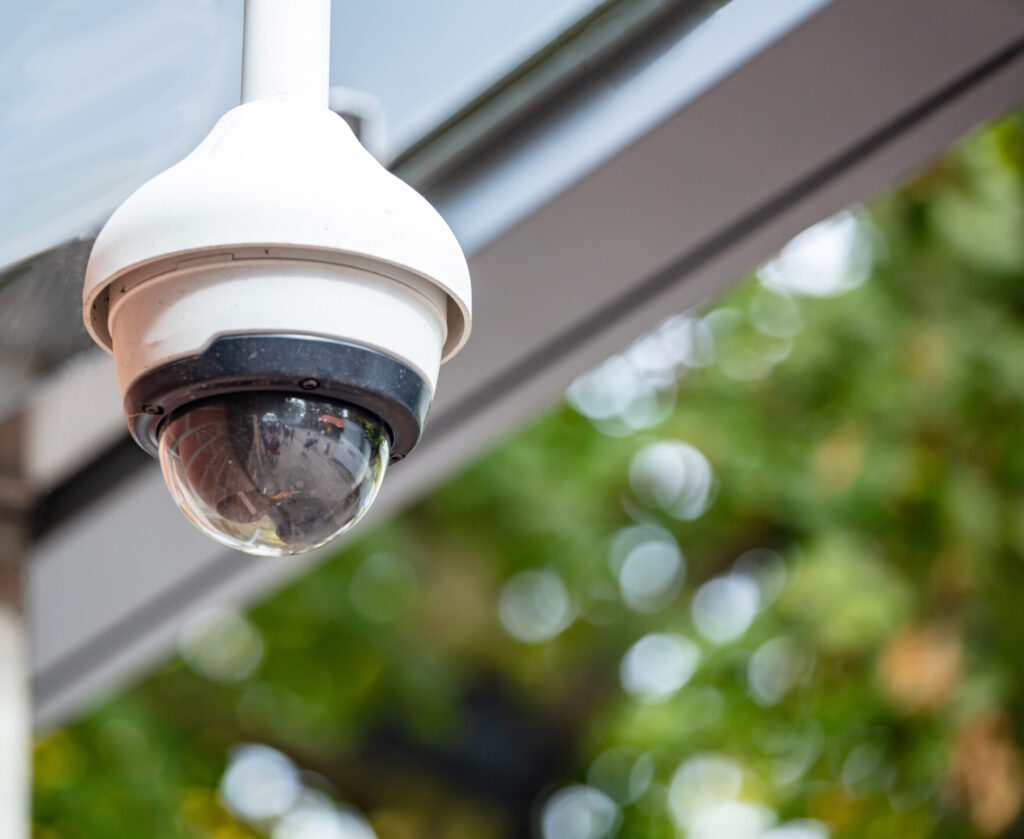
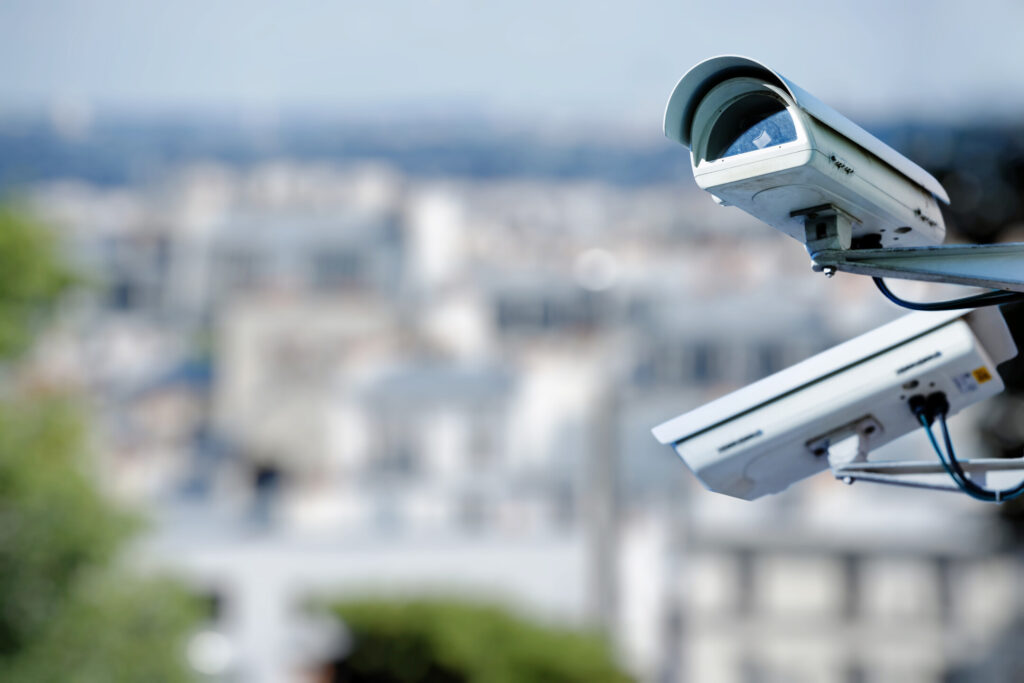
The diversity of security alarm systems available today can make selecting the right one for your London home seem daunting. The key is to focus on systems that match your specific security requirements and lifestyle. For basic security needs, a simple burglar alarm with door and window sensors may suffice. However, for properties in higher-risk areas or for homeowners desiring greater peace of mind, systems with additional features like glass break sensors, motion detectors, and CCTV are advisable.
It’s also worth considering whether a wired or wireless system best suits your needs. Wired systems are generally more reliable and harder for intruders to disable, but they can be disruptive and more expensive to install, especially in finished homes. Wireless systems, on the other hand, offer easier and quicker installation and flexibility in adding more sensors or cameras as needed without significant disruptions or additional costs.
Integration with home automation is another increasingly popular feature. Systems that can be controlled remotely through a smartphone app not only add convenience but also enhance security by enabling you to monitor your home in real-time, control lights, locks, and other connected devices, thereby increasing the appearance of an occupied home, a substantial deterrent to burglars.
Step-by-Step Guide to Alarm Installation
Installing a security alarm in your London home begins with planning and preparation. Start by sketching a floor plan of your home, marking all windows, doors, and other potential entry points that need to be secured. Decide on the placement of the control panel and keypads, considering ease of access and functionality while ensuring they are not easily visible to someone looking in from outside.
Next, the installation of sensors and cameras should be carried out according to the manufacturer’s instructions. For wired systems, this involves running cables to connect the sensors to the control panel, which can be challenging in some properties. Wireless systems require less invasive work, merely needing placement and basic setup. Testing each component as it’s installed is crucial to ensure functionality and correct any issues immediately.
Finally, once the physical installation is complete, program the system according to your preferences. Set up user codes, link it to your phone, and configure notifications. Conduct a thorough test of the system to check that all elements are working cohesively. It may also be beneficial to inform your neighbours and local police station about your new security system, particularly if it includes an external alarm that might affect those around you.
Understanding London’s Security Regulations
Navigating the regulations surrounding security system installation in London is crucial for compliance and effective operation. Local laws may dictate everything from the type of alarm you can install to how and where it can be installed. For example, external alarms must comply with noise regulations to avoid nuisance complaints, which could lead to fines or having to disable the alarm.
Data protection laws also play a significant role, especially if your system incorporates surveillance cameras. The UK’s General Data Protection Regulation (GDPR) and the Data Protection Act 2018 outline strict guidelines on data collection, storage, and privacy, ensuring that any recorded footage is handled in a lawful, fair, and transparent manner, particularly if it captures images beyond your property boundaries.
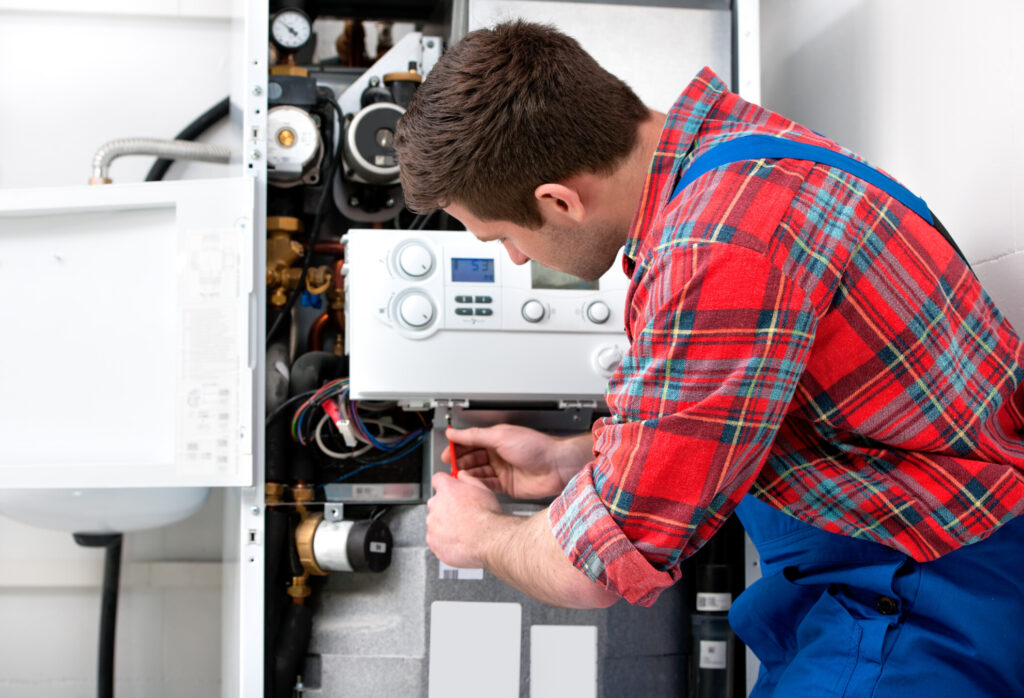
It’s advisable to consult with a professional installer who is familiar with local security and privacy regulations. They can provide valuable guidance on compliance and even handle permissions or notifications that need to be submitted to local authorities or community boards, ensuring that your security system meets all legal requirements and is as effective and trouble-free as possible.
Integrating Smart Technology with Alarms
The integration of smart technology with traditional security alarms represents a significant advancement in home security. Smart alarms can be connected to the internet, allowing you to control them remotely from your smartphone or tablet. This connectivity offers the convenience of arming or disarming your system from anywhere in the world, receiving instant alerts to any suspicious activity, and even viewing live feeds from security cameras.
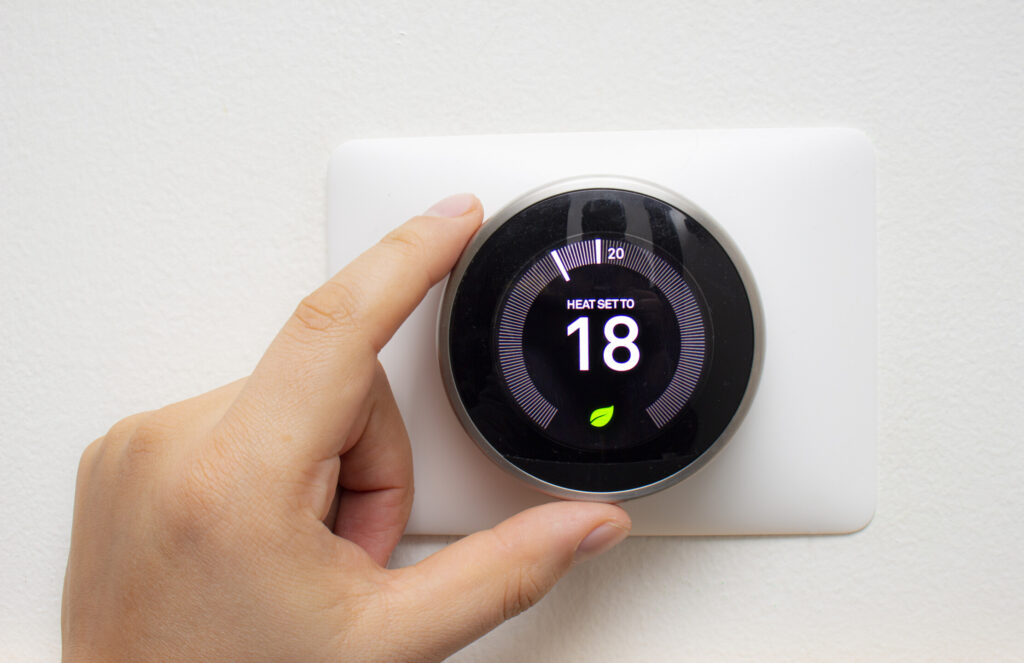
Beyond basic control and monitoring, smart security systems can be integrated with other home automation features such as smart locks, lights, and thermostats. This integration can enhance security by simulating occupancy in your home while you’re away, turning lights on and off, and adjusting temperature settings, thereby deterring potential intruders.
With the rise of the Internet of Things (IoT), the potential for home automation and security is expanding rapidly. Many systems now offer features like voice control through platforms such as Amazon Alexa or Google Assistant, further enhancing the functionality and convenience of your home security system. When choosing a smart alarm system, consider its compatibility with existing or planned home automation solutions to ensure a seamless, secure, and efficient setup.
Maintenance Tips for Long-Term Efficiency
To ensure that your security alarm system functions effectively over the long term, regular maintenance is essential. This includes routine checks of all system components such as sensors, batteries, and cameras. Batteries in wireless systems, for instance, need to be checked and replaced periodically to avoid system failures. It’s also wise to test the system monthly to ensure all elements are working correctly and to make any necessary adjustments or repairs.
Cleaning your system components can also prevent malfunctions. Dust and debris can accumulate on sensors and cameras, potentially impairing their functionality. Gentle cleaning with a soft cloth can help maintain the sensitivity and effectiveness of these components. Additionally, updating the system software is crucial to protect against vulnerabilities and ensure you have the latest features and improvements.
Consider a maintenance contract with a reputable security system provider. These contracts typically include regular check-ups, updates, and repairs, which can be more cost-effective than paying for one-off visits. They also offer peace of mind that your system is always in top condition, minimizing the risk of malfunctions at critical times.
Top Security Alarm Providers in London
London offers a plethora of choices when it comes to security alarm providers, each offering a range of products and services tailored to different needs and budgets. Companies like ADT Security are renowned for their comprehensive security solutions that include professional installation, monitoring, and maintenance services. They offer both basic and advanced systems, catering to a wide spectrum of security needs.
Another notable provider is Banham Security, which has a strong presence in London. Known for their high-quality, bespoke security systems, Banham offers a personalised approach to home security, ensuring that each system is perfectly tailored to the homeowner’s requirements. They also provide a high level of after-sales support and maintenance services, which is a significant advantage for long-term reliability and efficiency.
For those interested in integrating smart home technology with security, companies like SimpliSafe and Nest provide innovative solutions that are user-friendly and highly adaptable to various home environments. These systems are designed for easy DIY installation and offer a range of smart features that can be managed through apps, making them a popular choice for tech-savvy homeowners in London looking for flexibility and modern functionality in their security systems.