Understanding the Basics of Consumer Units
A consumer unit, often referred to as a fuse box, is a pivotal component in residential and commercial electrical systems in the UK. It serves as the central hub where the incoming electricity supply is divided into subsidiary circuits, simultaneously providing a protective fuse or circuit breaker for each circuit in the property. Modern consumer units are typically equipped with Residual Current Devices (RCDs) and Miniature Circuit Breakers (MCBs), ensuring enhanced protection against electrical faults and the risks of electric shock and fires.
The layout of a consumer unit generally includes a main switch which controls the entire electrical supply to the property, and several circuit breakers linked to specific areas or appliances. This structured arrangement not only simplifies electrical management within a property but also allows for easy isolation of circuits for maintenance or in case of an emergency, thus ensuring safety and convenience.
Historically, consumer units featured fuse wires which would need to be replaced in the event of a fault. However, modern units have been designed to be more user-friendly and safer, with clear labels and safer components that can be reset or replaced easily, significantly reducing the risk of electrical accidents and enhancing overall safety in the domestic environment.
The Importance of Upgrading Consumer Units
Upgrading an outdated consumer unit is crucial for several reasons, primarily enhancing electrical safety and compliance with current electrical regulations. Older units, often equipped with rewireable fuses, can pose significant safety hazards such as fire risks or electric shocks if they fail to operate correctly under fault conditions. An upgraded consumer unit with modern RCDs and MCBs will instantly disconnect the electricity supply if a fault is detected, thereby significantly mitigating the risk of electric shocks and fire.
Beyond safety, upgraded consumer units also improve the efficiency and functionality of the electrical system. They are designed to handle modern electrical demands more robustly, accommodating high-powered appliances and sophisticated electronics without frequently tripping. This is particularly relevant in today’s digital age where the average household uses far more electronic devices than in the past, making an up-to-date consumer unit a necessity rather than a luxury.
Moreover, an upgraded consumer unit can increase the value of a property. Prospective homebuyers often look for homes that meet current safety standards, and an updated electrical system can be a selling point. It not only signals that the property has been well-maintained but also that future maintenance costs might be lower, attracting potential buyers and potentially increasing the property’s market value.
Exploring Regulatory Standards in the UK
In the UK, electrical installation, including consumer units, must comply with the British Standards BS 7671, also known as the Wiring Regulations. These regulations are updated regularly to reflect the latest in safety technology and methodology, ensuring that all electrical installations conform to the highest safety standards. The current edition emphasizes the use of dual RCDs or the use of RCBOs (Residual Circuit Breaker with Overcurrent protection) for each circuit to provide more precise protection against electrical faults.
Compliance with these standards is not just about legality; it ensures that electrical installations do not pose a hazard to users and are capable of meeting the requirements of modern electrical loads. The regulations are enforced by local building control bodies, and compliance is typically ensured through periodic inspections by certified electricians. Failure to meet these standards can result in significant penalties, including fines or compulsory remedial work at the owner’s expense.
For landlords and commercial property owners, the Electrical Safety Standards in the Private Rented Sector (England) Regulations 2020 also require regular safety checks and certification by qualified professionals. This underscores the importance of ensuring that consumer units and other electrical installations comply with the latest standards to ensure safety and avoid legal issues.
Assessing Your Current Electrical Infrastructure
To determine whether a consumer unit upgrade is necessary, a thorough assessment of the existing electrical infrastructure is essential. This involves examining the age and condition of the current unit, assessing the wiring throughout the property, and understanding the demands of modern appliances that the system needs to support. Signs such as frequent tripping of circuits, fuses blowing regularly, or visible wear and tear on the unit itself can all indicate the need for an upgrade.
Assessments should ideally be conducted by a qualified electrician who can provide a detailed analysis of the existing setup and identify any potential risks or shortcomings. The electrician can also check for compliance with current safety regulations and recommend whether a complete or partial upgrade is necessary based on the age and condition of the wiring and the capacity of the existing consumer unit.
It’s also wise to consider future needs during the assessment. If there are plans for home renovations or additions that will increase the electrical load, discussing these with your electrician during the assessment will ensure that the new consumer unit can handle increased demands, thereby future-proofing your electrical system.
Choosing the Right Professionals for Installation
Selecting the right professional for the installation of a consumer unit is critical. It is advisable to choose certified electricians who are registered with a government-approved scheme, such as the National Inspection Council for Electrical Installation Contracting (NICEIC) or the Electrical Contractors Association (ECA). These professionals are regularly assessed to ensure they meet the strict technical and safety standards required in the UK.
When choosing an electrician, consider their experience, particularly in handling consumer units, and check for reviews or testimonials from previous clients. It’s also beneficial to obtain multiple quotes to ensure competitive pricing, but this should not be the sole criterion. The priority should always be the quality and safety of the workmanship, as poor installation can lead to severe safety risks.
Once you have selected an electrician, ensure that they provide a full quote detailing the scope of work, including the cost of the consumer unit and any additional circuits or modifications that might be necessary. A clearly outlined quote not only prevents unexpected costs but also ensures clarity in what will be delivered, facilitating a smoother upgrade process.
Overview of Latest Technologies in Consumer Units
The evolution of consumer units over the years has led to the integration of advanced technologies that offer superior protection and efficiency. Modern consumer units now come equipped with more sensitive RCDs, which offer faster response times to electrical faults, significantly reducing the risk of electric shocks or fires. Moreover, many units now feature user-friendly designs with clear labelling and easier access, which enhances safety during routine checks or emergency interventions.
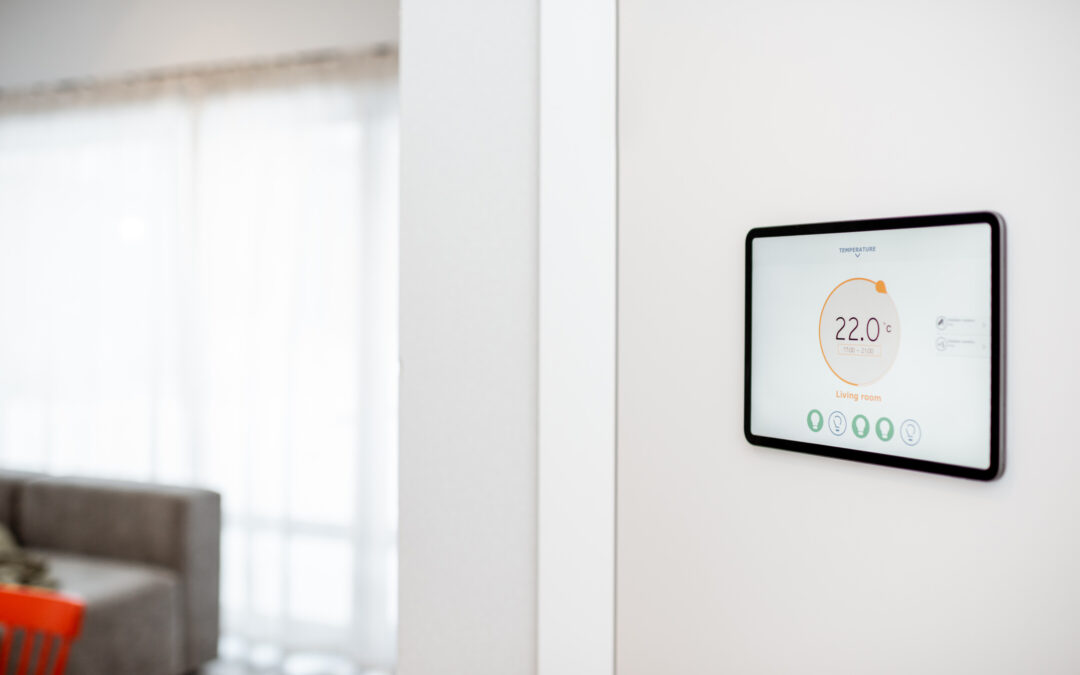
Smart consumer units are also emerging, incorporating technology that allows for remote monitoring and control of household electrical systems via smartphone apps. These units can provide real-time data on energy usage, identify potential issues before they become serious, and even remotely control individual circuits. This technology not only contributes to greater energy efficiency but also offers enhanced safety features, such as immediate alerts to electrical faults.
Another notable advancement is the increased customizability of consumer units, allowing for configurations that are tailored to specific household needs. This can include dedicated circuits for high-demand appliances or specialized circuit breakers that cater to sensitive electronics, providing both protection and optimal functionality.
Step-by-Step Guide to the Upgrade Process
The process of upgrading a consumer unit is systematic and requires careful planning and execution. The first step is the initial consultation, where the electrician assesses the existing system and discusses the requirements and expectations with the homeowner. This stage sets the groundwork for the entire project and helps in selecting the appropriate unit for the property.
Following the consultation, the electrician will schedule a time for the installation, which typically involves disconnecting the old unit, installing the new one, and connecting all existing circuits to the new unit. Each circuit is tested to ensure it is functioning correctly and safely. Safety checks are paramount; hence, the installation process may also include rectifying any existing wiring issues identified during the initial assessment.
Once the installation is complete, the electrician should provide a complete demonstration of the new system to the homeowner, explaining how it works and any maintenance it might require. This is also when final testing is conducted, and certification is issued to confirm that the new consumer unit complies with all applicable safety regulations and standards.
Anticipating the Benefits of Enhanced Safety
Upgrading to a modern consumer unit brings a myriad of safety benefits, chief among them being enhanced protection against electrical fires and shocks. The incorporation of RCDs ensures that any abnormality in current flow is detected almost instantaneously, triggering a power cut-off that protects both individuals and property. This quick response is crucial in preventing the escalation of potential electrical incidents.
Additionally, the new generation of consumer units offers improved circuit separation and fault detection, which not only enhances safety but also minimizes inconvenience by isolating issues to specific areas of a home or building. This means that a fault in the kitchen, for example, doesn’t lead to a whole-house power outage, thereby reducing disruption and simplifying fault-finding.
Finally, the peace of mind that comes with knowing your electrical system adheres to the latest safety standards and technologies cannot be underestimated. For homeowners, this means a safer living environment; for businesses, it translates to less downtime and potential liability. Thus, upgrading your consumer unit is not just a regulatory compliance measure but a wise investment in safety and efficiency.