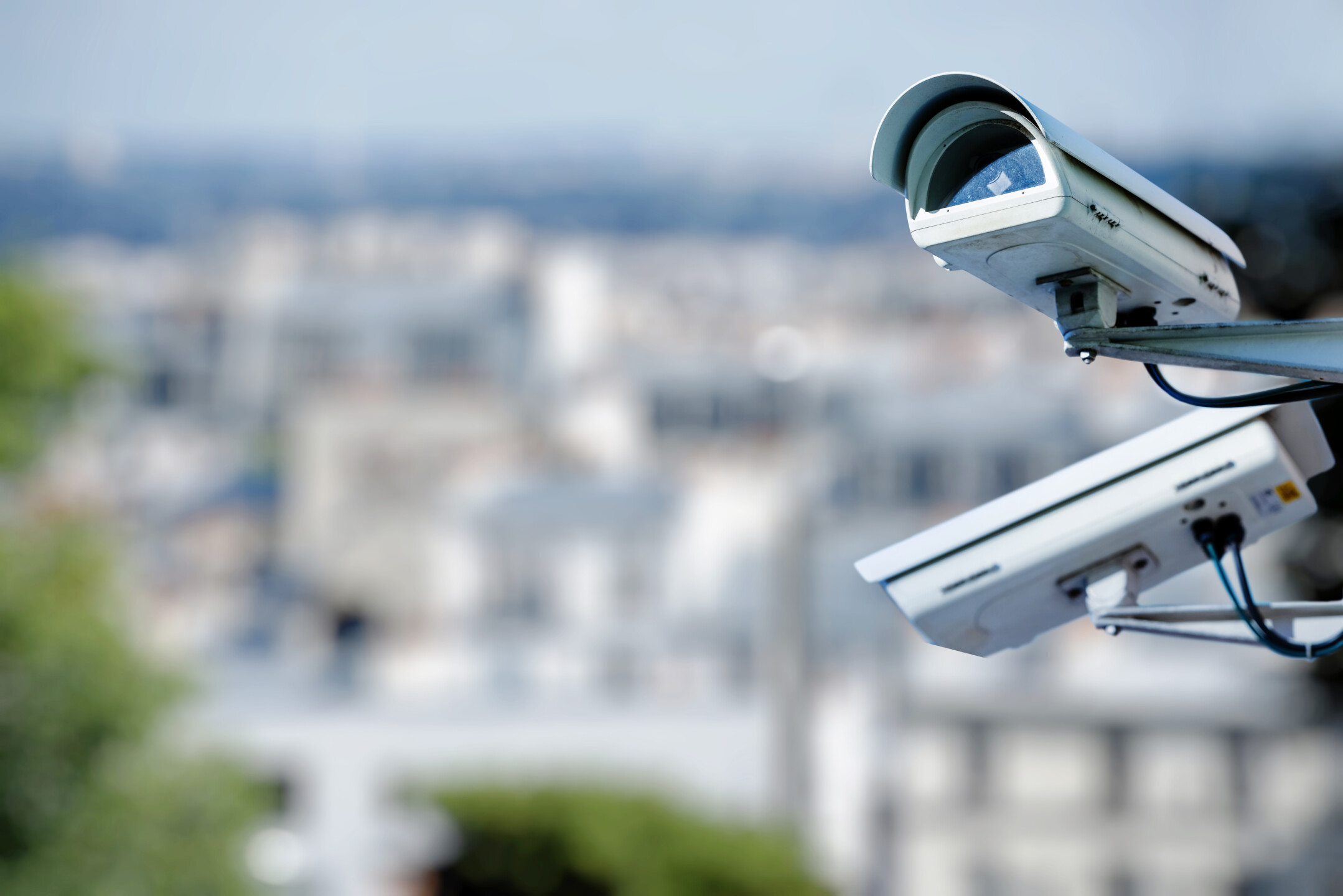
Overview of CCTV Impact on Urban Safety
The integration of Closed-Circuit Television (CCTV) systems in urban areas has notably been one of the pivotal elements in enhancing public safety and security. In London, the presence of CCTV cameras has become an integral part of the security infrastructure, playing a critical role in deterring criminal activities and providing invaluable assistance in law enforcement. The visual surveillance technology helps monitor public areas, deter crime through visible presence, and provide forensic material for criminal investigations.
CCTVs in London have also facilitated real-time monitoring of urban spaces, allowing quick response to incidents and emergencies. This constant surveillance has not only helped reduce the incidence of street crimes but also enhanced the sense of security among the residents and visitors. Additionally, the data collected through these cameras has been pivotal in understanding crime patterns, which in turn aids in the strategic deployment of police resources where they are most needed.
Moreover, the psychological impact of CCTV systems cannot be overstressed; the mere awareness of being watched can significantly alter human behaviour. This aspect of CCTV technology thus acts as a preventive measure, discouraging potential offenders from engaging in criminal or antisocial activities, thereby contributing to safer urban environments.
Historical Development of CCTV in London
The deployment of CCTV in London dates back to the 1960s, with systems initially installed to monitor traffic congestion. Over the decades, the application of CCTV expanded significantly, especially in the 1990s when the UK government started funding CCTV installations in a bid to curb rising crime rates. Since then, London has seen a substantial increase in the number of public surveillance cameras, making it one of the most monitored cities in the world.
The development was further spurred by significant events that demanded heightened security measures, including the IRA bombings and the increased threat of terrorism post-9/11. The London bombings in 2005 notably accelerated the city’s investment in CCTV technology, leading to rapid advancements and an increased network of cameras covering public transport systems and high-risk areas.
Today, London’s CCTV infrastructure is a complex framework designed to ensure maximum coverage and efficiency. The city’s approach to public surveillance continues to evolve, reflecting changes in technology and policy, and adapting to the dynamic urban landscape and its associated security challenges.
Strategic Placement of CCTV Cameras
The strategic placement of CCTV cameras across London is a deliberate effort aimed at maximising visibility and deterrence while ensuring broad coverage of critical and sensitive areas. High-risk locations such as financial districts, tourist hotspots, and transport hubs are prioritized to deter potential threats and criminal activities. Residential areas and lesser-frequented streets are also monitored to help in reducing petty crimes like burglary and vandalism.
The placement strategy also considers the pedestrian traffic patterns and times of peak activity, ensuring that surveillance is both effective and efficient. By positioning cameras at optimal heights and angles, London’s CCTV system ensures comprehensive monitoring with minimal blind spots, which is crucial for gathering usable footage for both prevention and forensic investigations.
Moreover, the city employs mobile CCTV units that can be temporarily installed and monitored in response to specific events or intelligence, thus demonstrating the flexibility of the surveillance system to adapt to immediate security needs without requiring permanent installation.
Technological Advances in CCTV Systems
Technological advancements have significantly enhanced the capabilities of CCTV systems in London. Modern cameras come equipped with high-definition video quality, providing clearer images that greatly improve the identification and prosecution of offenders. Innovations such as facial recognition technology and automatic number-plate recognition systems have also been integrated, enhancing the efficiency and effectiveness of surveillance operations.
Additionally, newer CCTV models feature motion detection algorithms and artificial intelligence (AI) that help in distinguishing between normal and suspicious activities. This technology allows for more focused monitoring and reduces the manpower needed to review hours of footage. The AI-enabled systems can also trigger alerts to law enforcement officers in real-time during unusual activities, thus increasing the speed of response to potential threats.
The integration of Internet-connected CCTV systems has also transformed surveillance practices. These networked cameras can be controlled and accessed remotely, allowing for seamless sharing of footage among various security agencies. This connectivity not only enhances the collaborative efforts in maintaining public safety but also extends the reach of the surveillance system beyond its immediate environment.
Public Perception and Privacy Concerns
While CCTV systems are generally viewed positively for their role in enhancing urban safety, they also raise significant privacy concerns among the public. The pervasive nature of surveillance in London has sparked debates over the balance between security and individual privacy rights. Concerns are frequently expressed about the potential for misuse of data collected through CCTV, including issues related to data protection and the ethics of constant monitoring.
To address these concerns, regulatory frameworks and guidelines have been implemented to govern the use of CCTV systems. These regulations are designed to ensure that the operation of surveillance cameras complies with privacy laws and respects individual rights. Public awareness campaigns and transparency about the use and governance of CCTV footage also help in building trust and acceptance among community members.
Moreover, continuous dialogue between the public sector, surveillance authorities, and civil rights groups is crucial in shaping policies that protect privacy while still providing effective security measures. Such collaborations also assist in making the surveillance practices more public-friendly and targeted towards genuine security needs without infringing on personal freedoms.
Collaboration Between Police and CCTV Units
The collaboration between the police and CCTV surveillance units in London exemplifies a successful partnership that enhances urban security. The real-time data provided by CCTV aids police officers in not only reacting swiftly to criminal incidents but also in planning strategic interventions based on trend analyses provided by surveillance data.
This synergy is facilitated through integrated control rooms where police and CCTV operators work together to monitor urban spaces. The immediate communication between the two units enables dynamic deployment of police resources to areas of immediate need, enhancing the efficacy of crime prevention and response strategies.
Regular training and joint operations are conducted to ensure that both police and CCTV personnel are equipped with the latest knowledge and skills to operate advanced surveillance systems effectively. This collaborative approach not only maximizes the benefits of CCTV installations but also strengthens the overall security framework of London.
Assessing the Effectiveness of CCTV in London
The effectiveness of CCTV in London is continually assessed through various metrics such as crime rates, crime resolution rates, and public safety indices. Studies and reports indicate a significant correlation between areas with comprehensive CCTV coverage and lower crime rates. Moreover, the footage obtained from CCTV cameras has been instrumental in solving numerous criminal cases, leading to higher conviction rates.
Feedback from the community and local businesses also provides insights into the perceived effectiveness of these surveillance systems. Many residents and business owners report feeling safer due to the presence of CCTV cameras, which is crucial for community confidence and urban vitality. However, the effectiveness is also critically dependent on the maintenance of the equipment and the quality of monitoring provided.
Continual evaluations and upgrades are necessary to maintain the relevance and efficiency of the CCTV system in London. These assessments help identify areas needing improvement or additional coverage, ensuring that the surveillance network evolves in line with technological advancements and changing urban dynamics.
Future Trends in Urban Surveillance Technology
As urban environments continue to grow and evolve, surveillance technology is also expected to advance, incorporating more sophisticated AI and machine learning capabilities. These technologies are anticipated to improve the analytical aspects of surveillance, enabling more predictive policing and proactive security measures.
The future of CCTV in London could also see greater integration with smart city initiatives, where surveillance data contributes to broader urban management functions such as traffic control, environmental monitoring, and public services. This holistic approach to urban data collection and management would not only enhance security but also improve overall urban efficiency and quality of life.
Furthermore, ongoing advancements in data encryption and cybersecurity measures are crucial in ensuring that the increased connectivity and smart capabilities of future CCTV systems do not compromise privacy and data integrity. As surveillance technologies evolve, so too must the strategies to protect the information they gather, ensuring that the future of urban surveillance remains secure and trusted by the public.